

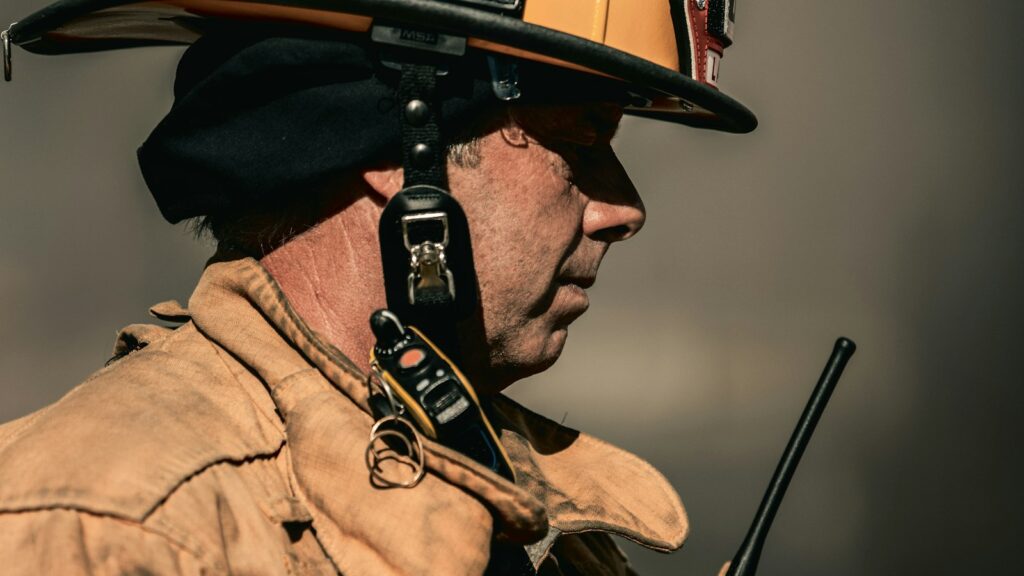
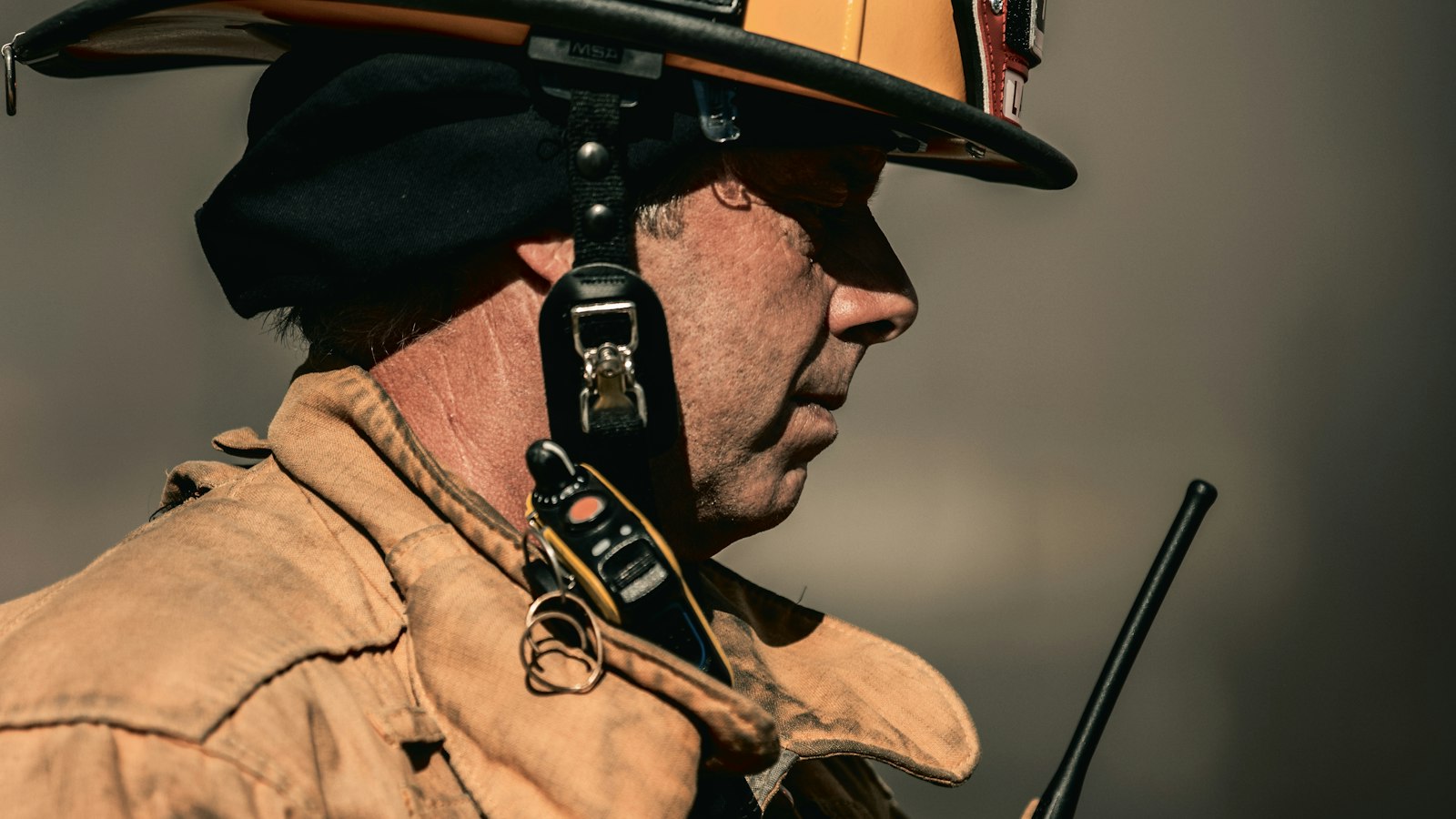
As a firefighter I learned something I later confirmed in every company I worked for: in an emergency, nobody thinks clearly. People do not rise to the level of the situation; they fall to the level of their training. That lesson applies just as much to workplace safety.
That idea changed the way I see occupational health and safety. These are the lessons from the fire station that I apply most today as a consultant.
1. The best emergency is the one that never happens
Firefighters spend much more time on prevention than on putting out fires: inspections, training, equipment checks. The same is true in a company. Most serious accidents had warning signs before: a minor incident, a frayed cable, a blocked exit. Recording and addressing those signs is the cheapest way to prevent a tragedy.
2. Order saves lives
In a fire station, every tool has its place and everyone knows where it is. When the alarm sounds there is no time to search. In a plant or an office, order and cleanliness are not about looks: they mean clear aisles for evacuation, accessible fire extinguishers and hazardous materials stored properly. A methodology such as 5S is a very good starting point.
3. Everyone needs to know their role
In an operation, every firefighter knows their task: who runs the pump, who goes in, who provides support. In a company, the emergency brigade must have clear roles, in writing and with backups. Who cuts the power? Who calls emergency services? Who checks that everyone got out? If the answer is “whoever is around”, there is no plan.
4. What is not practiced does not work
An emergency plan kept in a drawer is useless. Drills, even if they interrupt work for a while, are the only way to know whether the plan really works. Every drill reveals something to fix: a door that does not open, an alarm nobody hears, an assembly point nobody knows. I recommend running them at least twice a year and timing the evacuation.
5. Safety is teamwork
At the station, nobody goes into a fire alone. In a company, safety cannot be the responsibility of a single person or department. When workers take part in identifying risks and proposing solutions, they look out for each other. That is when safety stops being an obligation and becomes part of the culture.
From experience to a system
These lessons are the foundation of an occupational health and safety management system like the one set out in ISO 45001. The standard organizes what a good emergency team already does by instinct:
- Identify hazards and assess risks systematically.
- Define responsibilities and train people.
- Prepare the emergency response and practice it.
- Investigate incidents so they do not happen again.
- Improve continuously, with workers’ participation.
Conclusion: workplace safety is built in advance
Safety cannot be improvised. It is built with prevention, order, clear roles, practice and teamwork. Companies that understand this protect their people and also avoid stoppages, fines and losses that can cost far more than any investment in prevention.
If you want to know how prepared your company is for an emergency, I can help with an assessment, an emergency plan or the implementation of ISO 45001.
Agende 30 minutos conmigo
Una videollamada para conocer su proyecto y ver cómo puedo ayudar. Sin compromiso.